
Resin printing is black magic with an instruction manual. A build plate dipping into a vat of liquid resin, a screen lighting up in ultraviolet layer by layer, and a few hours later you pull out an object with detail filament can only dream of. When it works.
The first prints
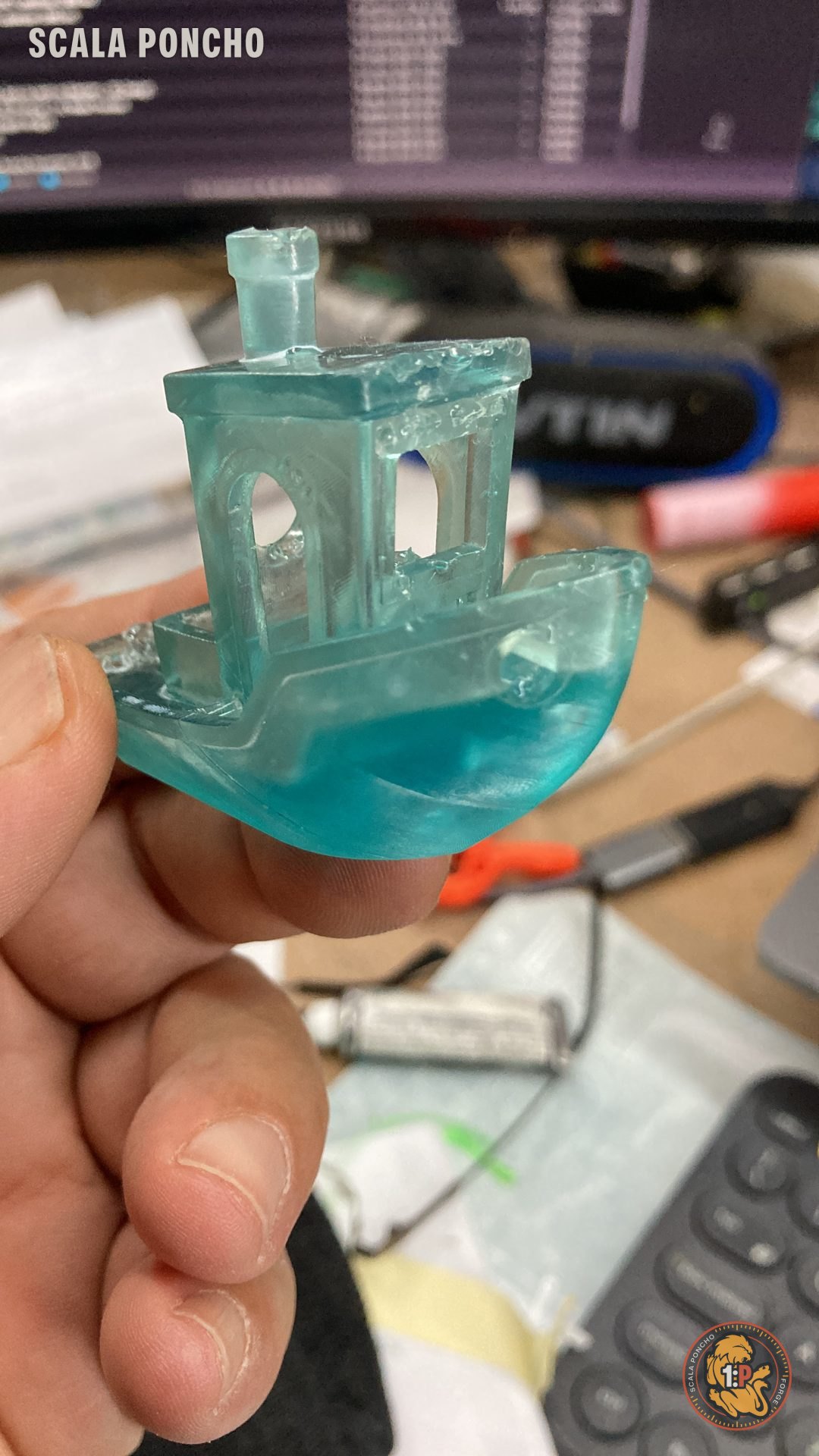
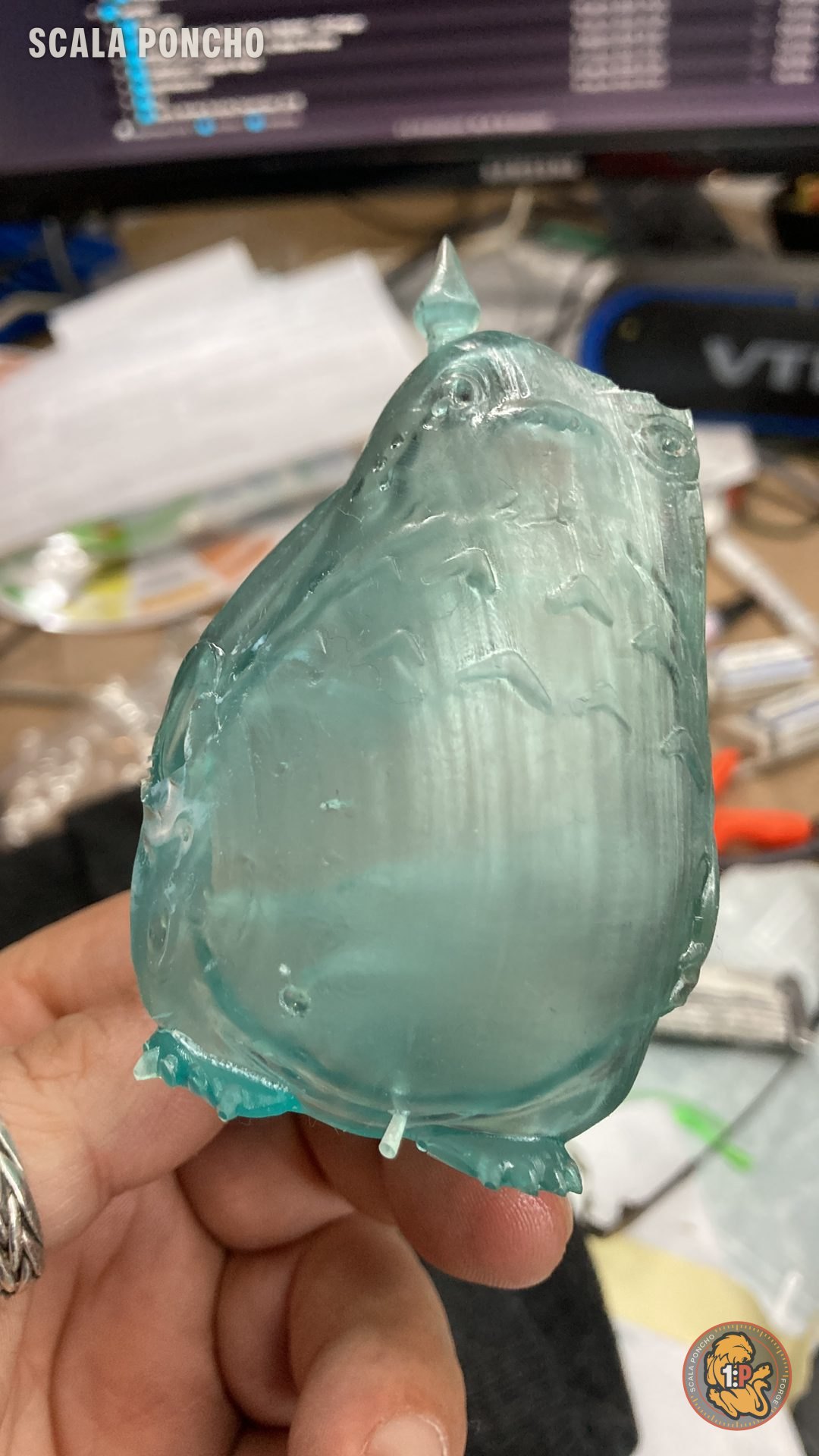
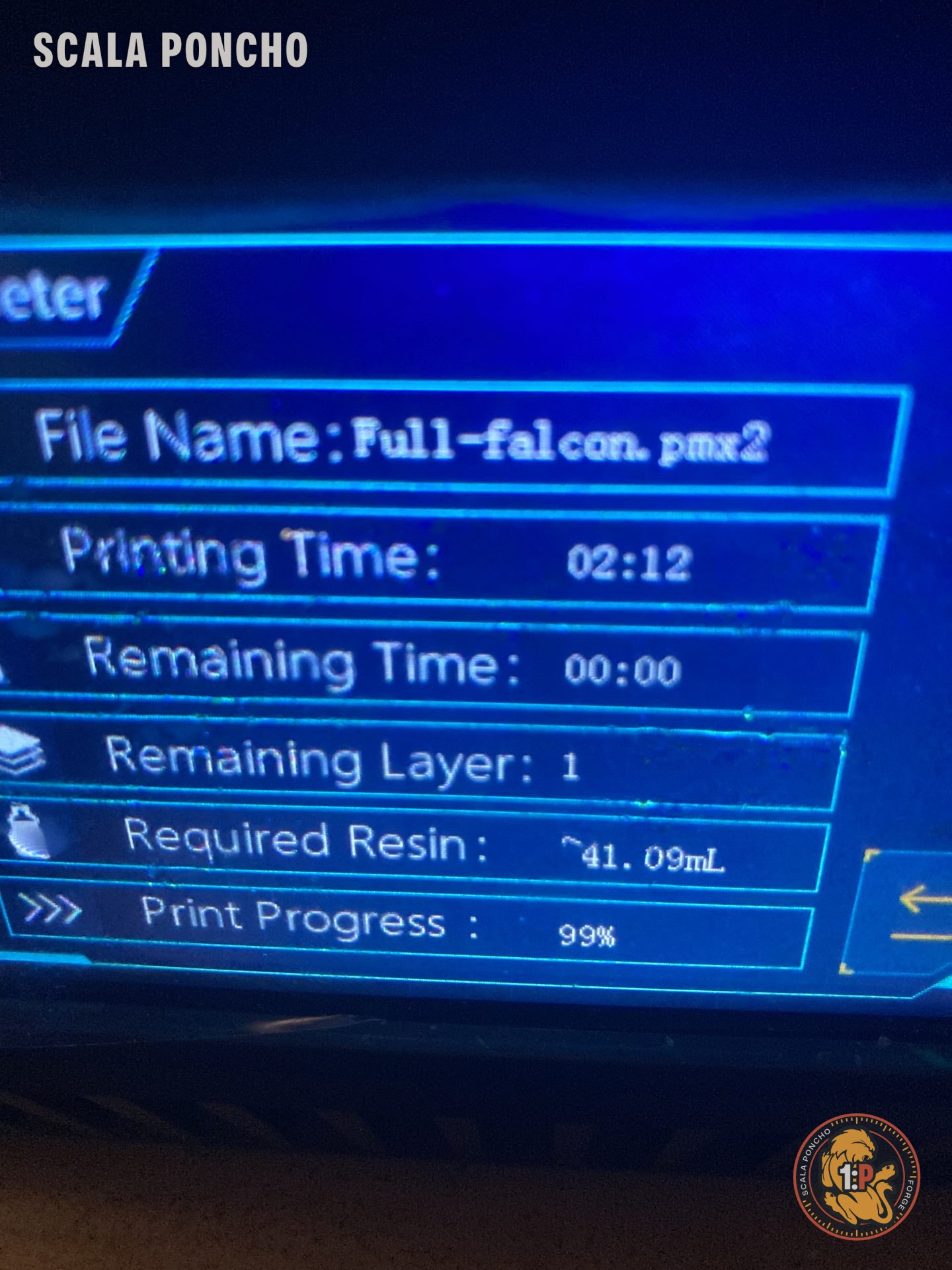
December 2023. First tests with clear aqua resin: the Benchy, the little boat every 3D printer is legally required to print, and a Totoro. They come out well, smooth, transparent. Almost too easy.
The screen that sees in patches
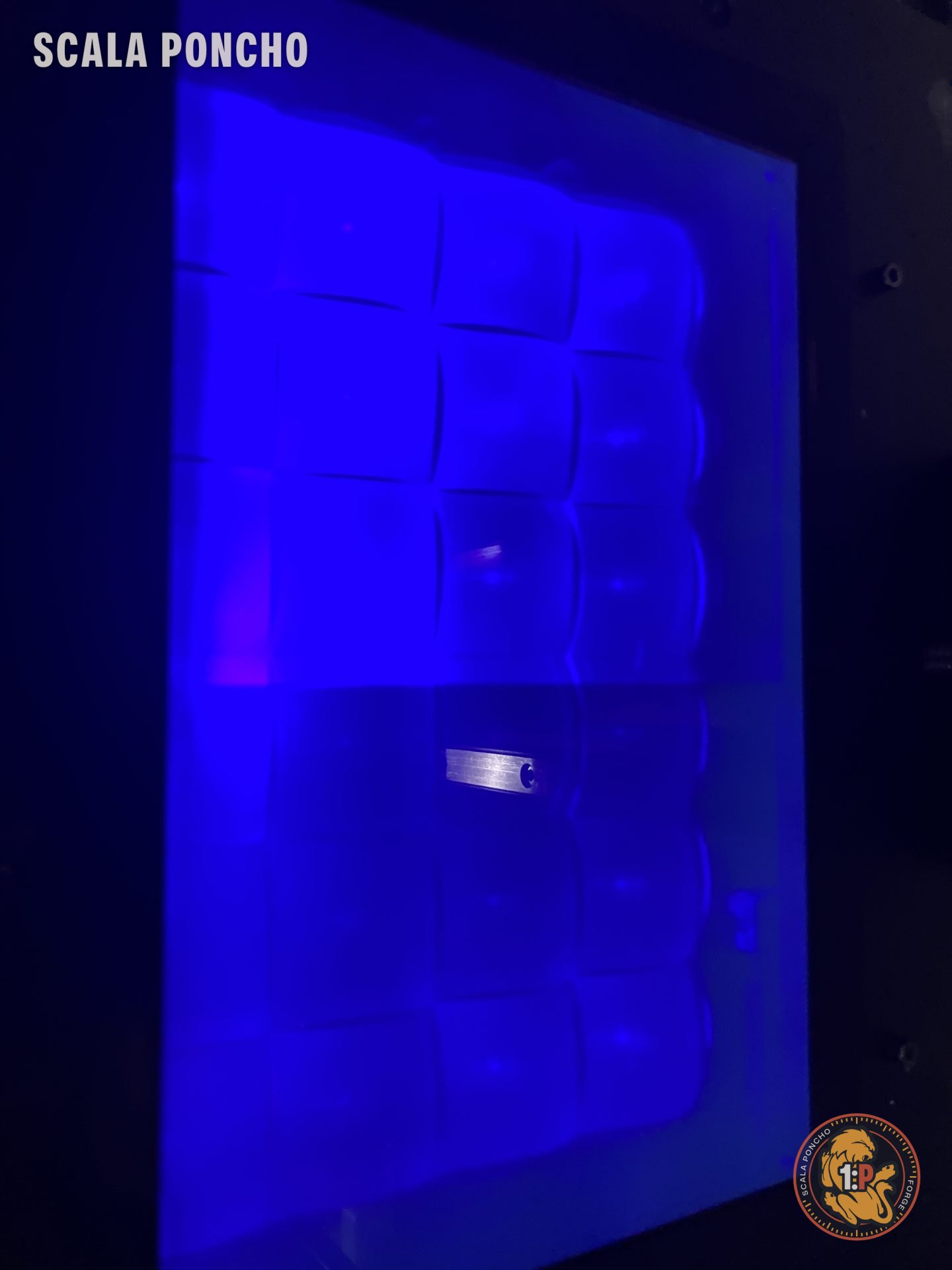
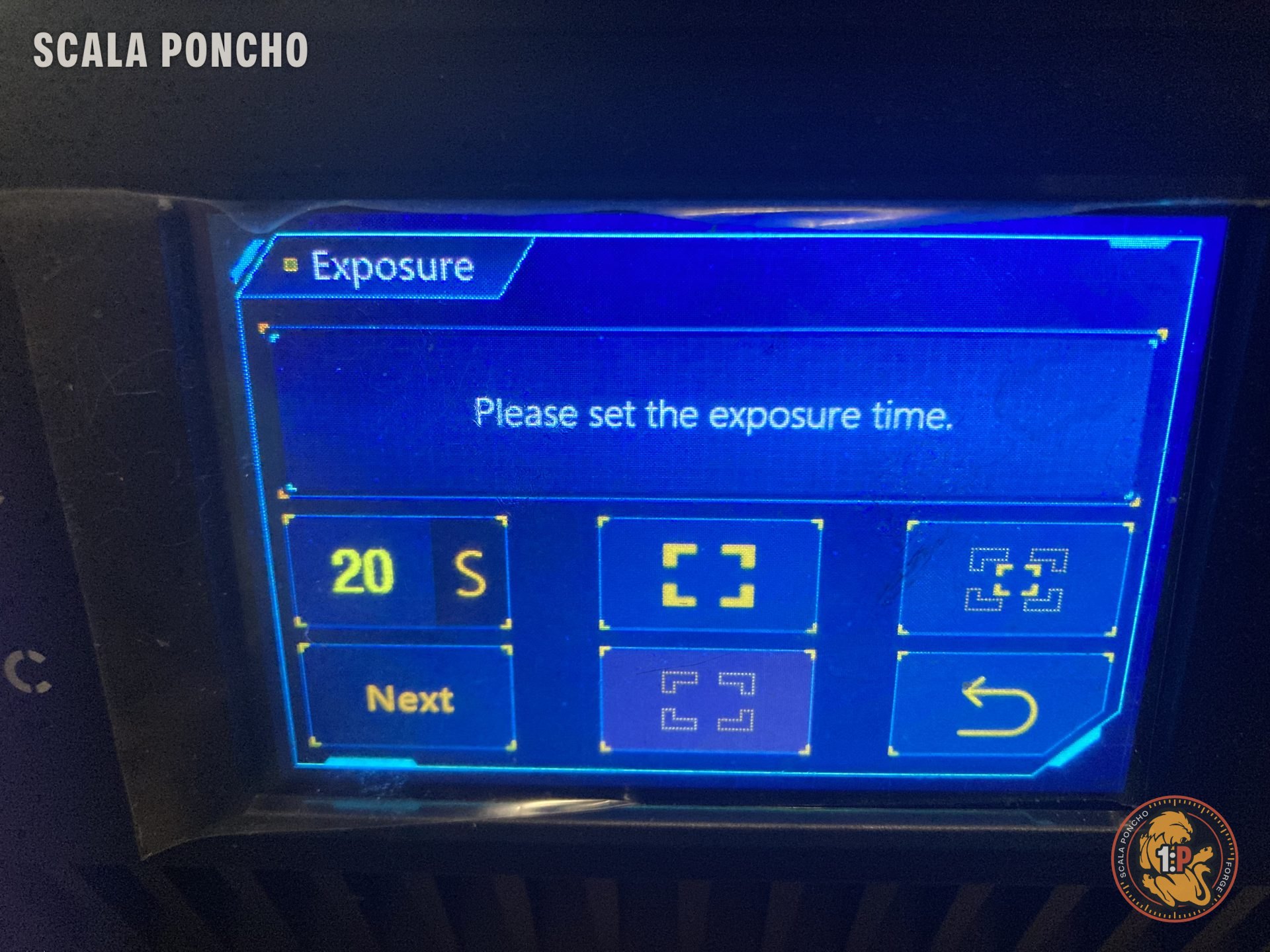
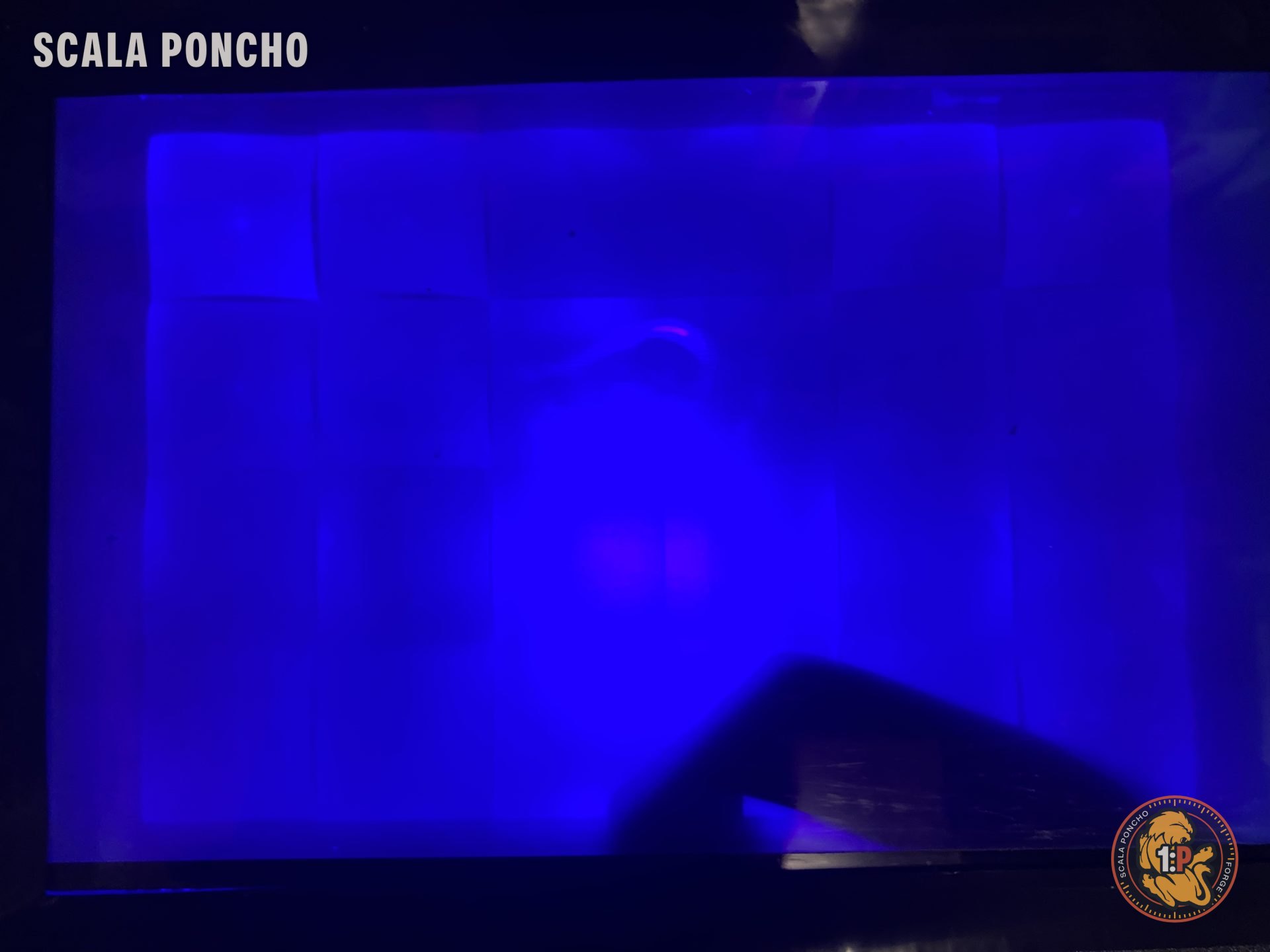
Then the prints start coming out badly, with uncured areas. The exposure test, the one that lights the whole UV screen without resin, tells the truth: the light isn’t even. There are dark areas, patches, a grid that shouldn’t be there. Where the screen doesn’t light up, the resin stays liquid.
Taking it apart
The most common cause is mundane: the flat cable connecting the screen to the board, or its connector. So you open the printer, unplug the cable, check the connector, clean it and put everything back together with the gentleness of someone who knows what a new screen costs.
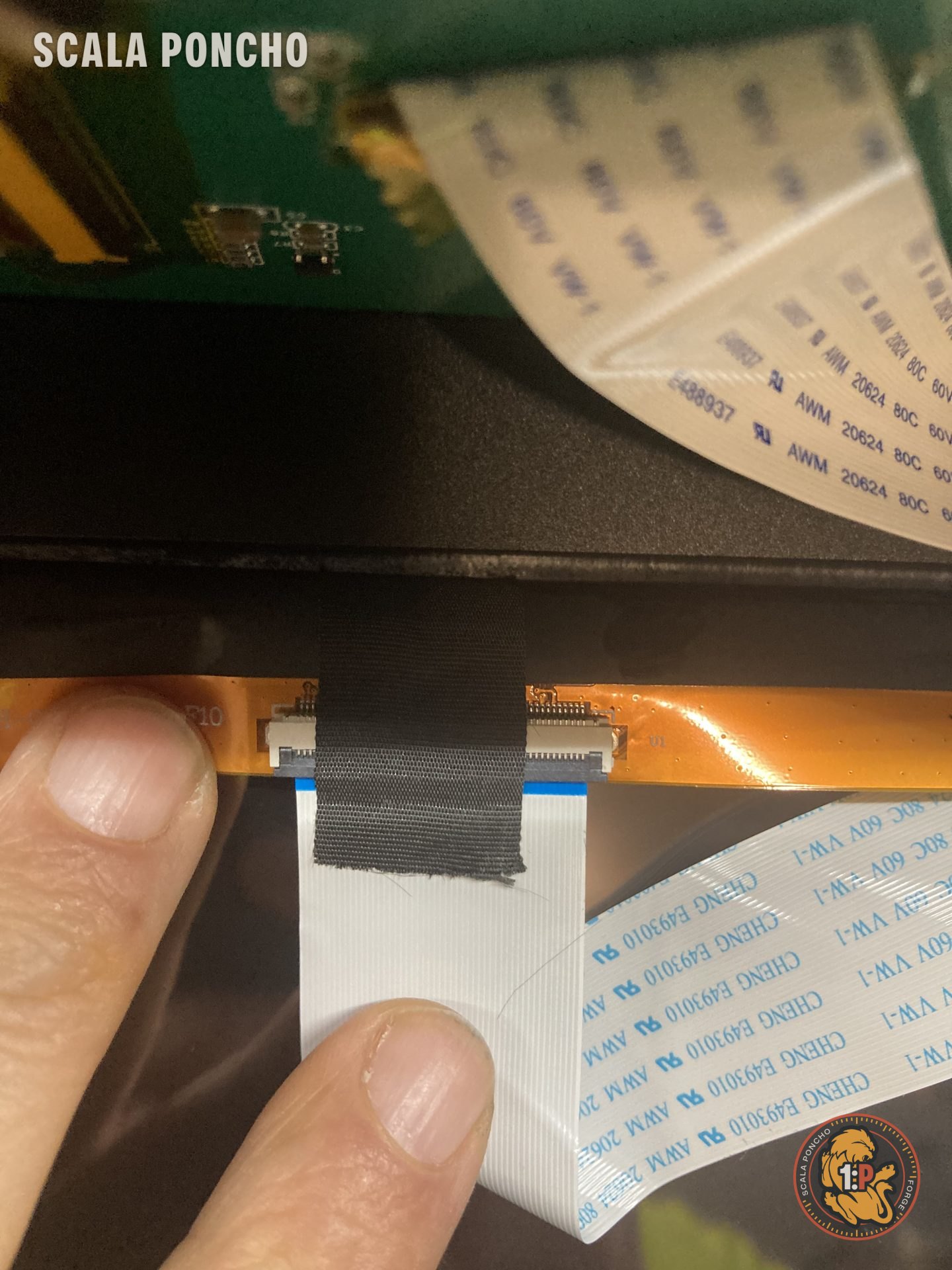
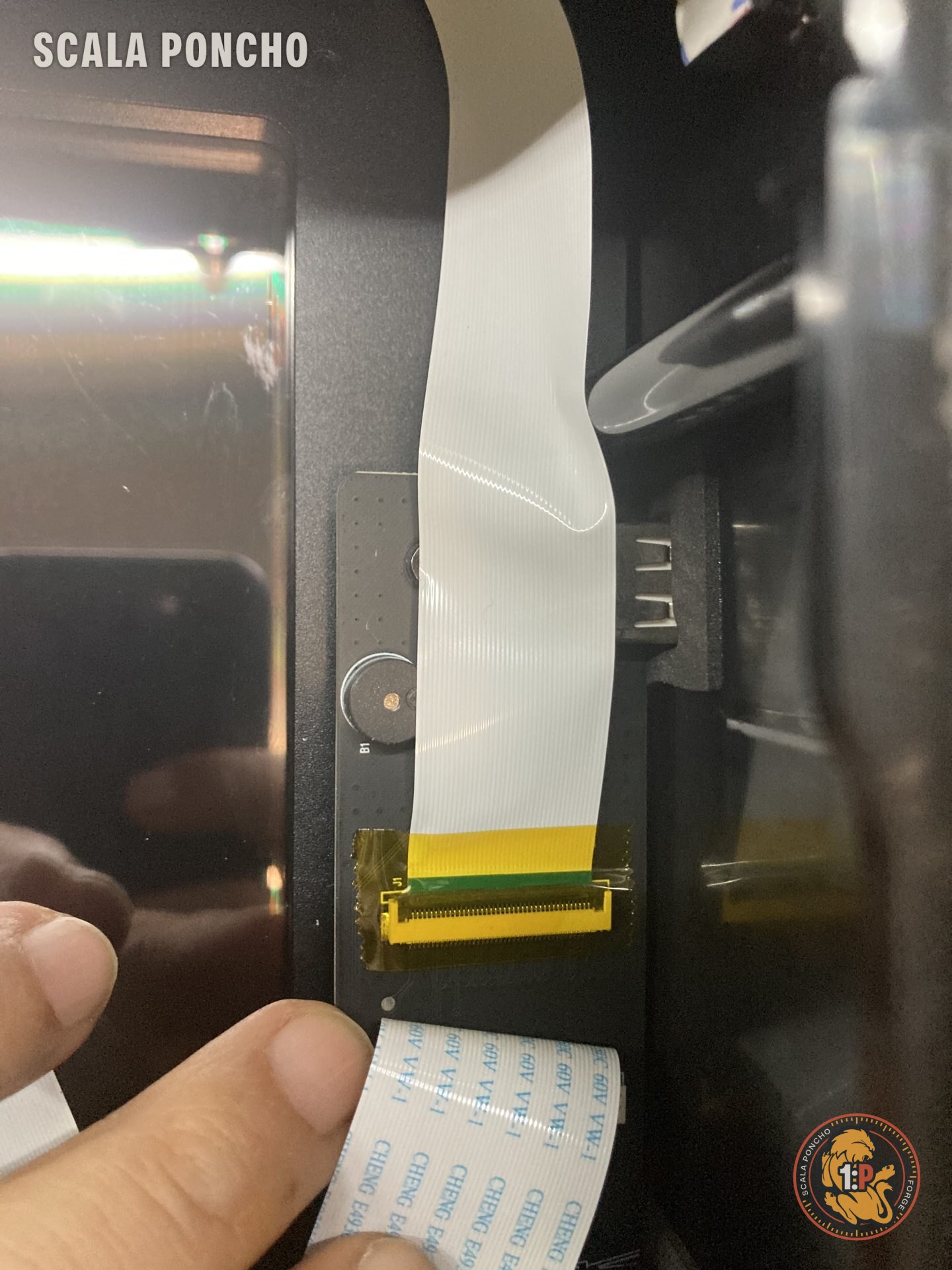
Then the exposure test again, set to 20 seconds, to see whether the screen has mended its ways.
Printing again
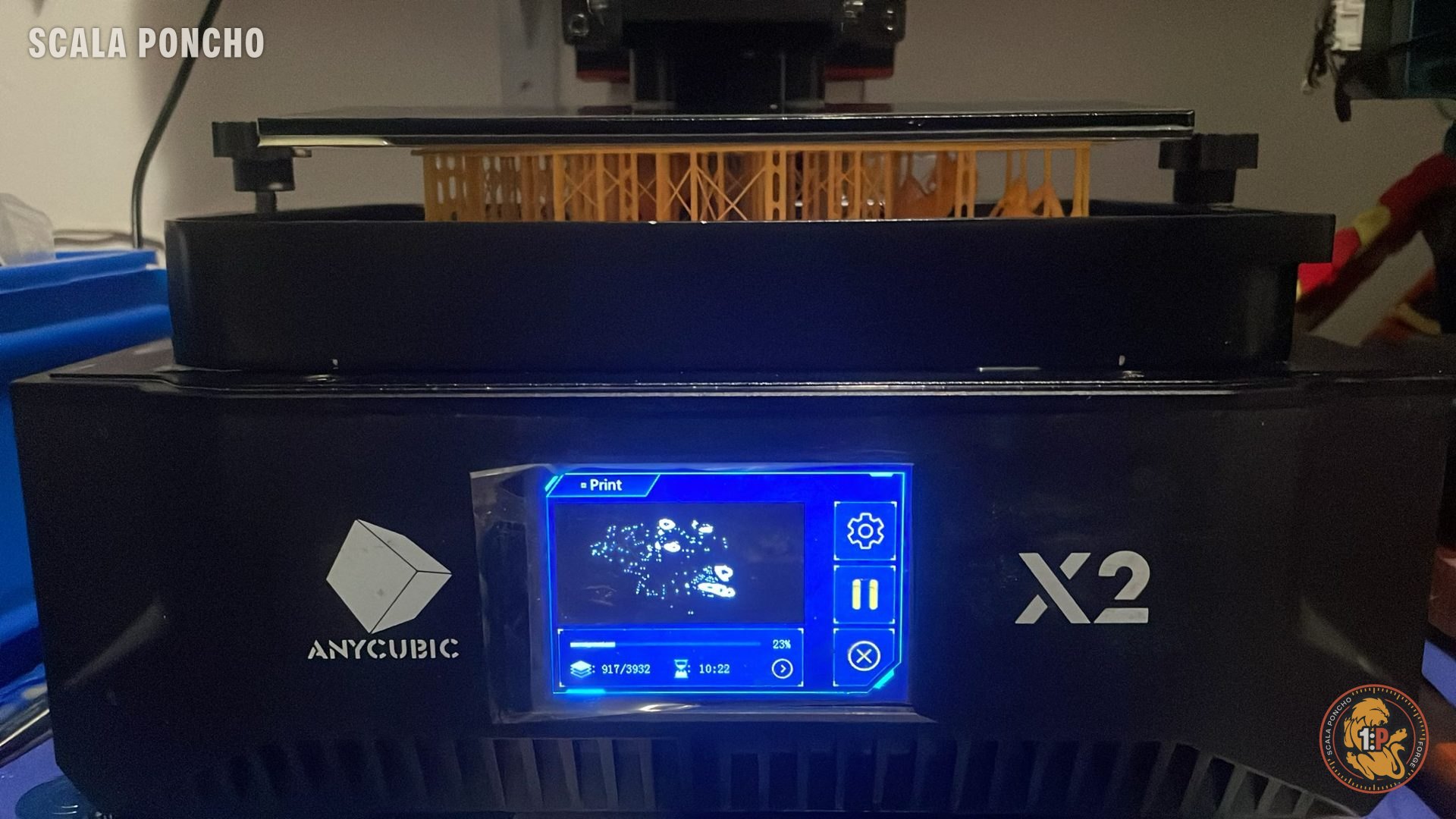
The X2 went back to work, and since then it has printed plenty: figures, statues, trophies, all material for future stories. In 2025 it was still there, with yellow resin and the plate loaded with supports.
Moral: before buying a new screen, check the cable. It costs nothing and it’s often the culprit. When it isn’t, unfortunately, it’s the screen.