
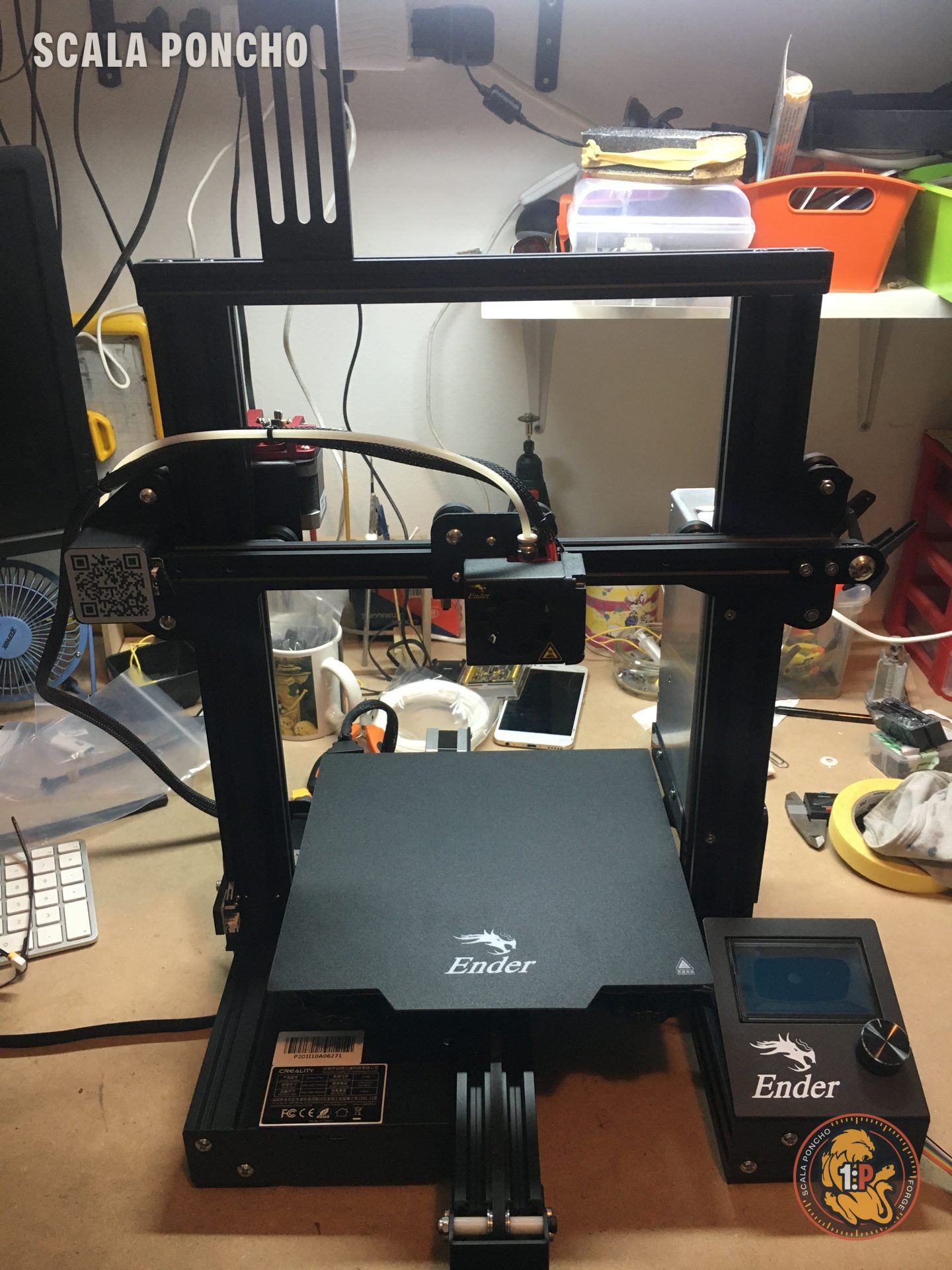
Every maker has a first printer. Mine was a Creality Ender 3 Pro, which arrived in December 2019 in a box of parts to assemble, a bag of screws and the promise of printing anything. It kept that promise for five years, with the odd tantrum.
Assembly
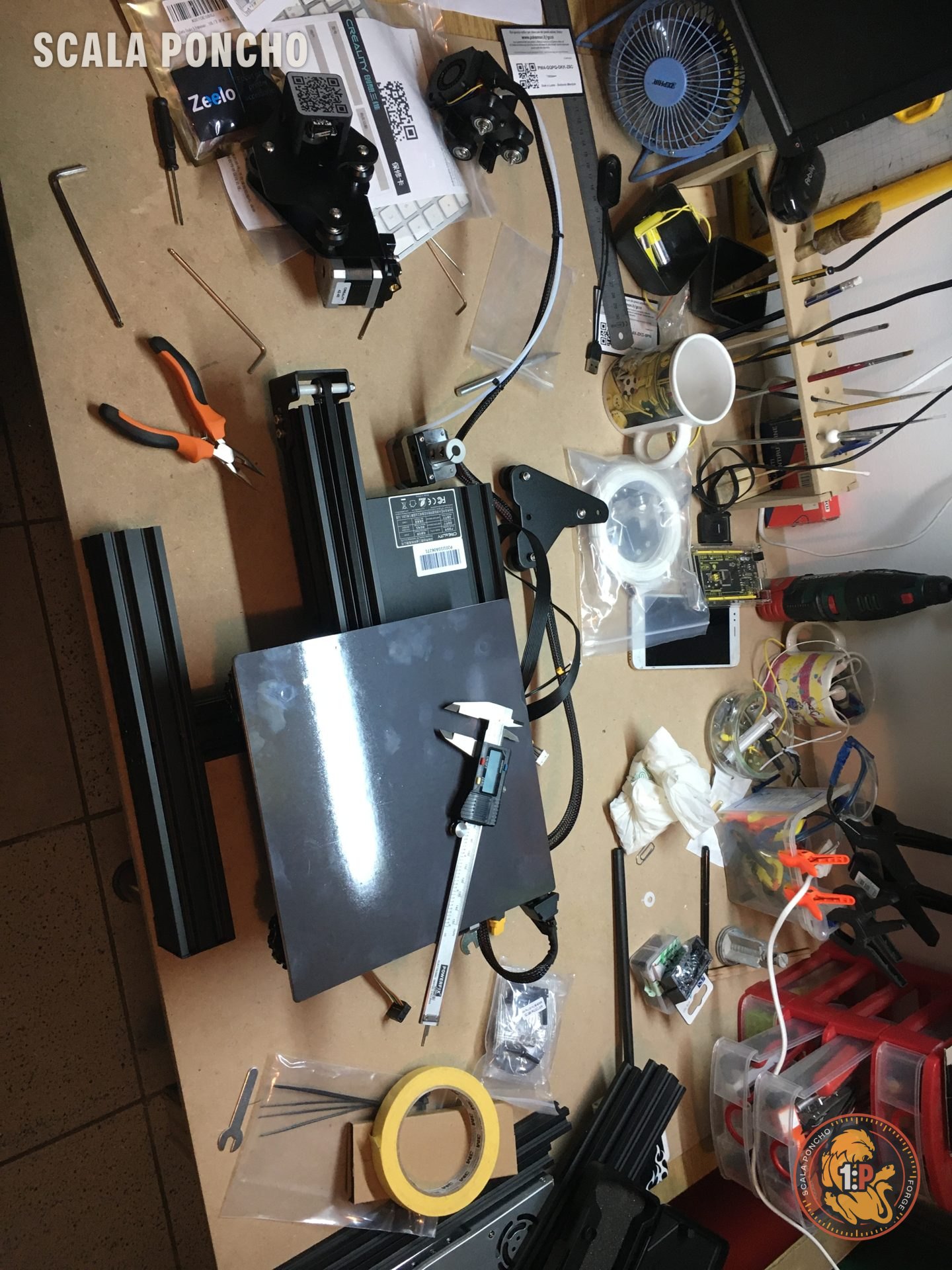
The Ender 3 arrives half taken apart: aluminium extrusions, bed, carriages with wheels, electronics, cables. An evening at the bench, with the instructions and the supplied Allen key, and it’s standing. The nice thing is that by building it you already learn how it works. Which comes in handy when something breaks.
The first prints
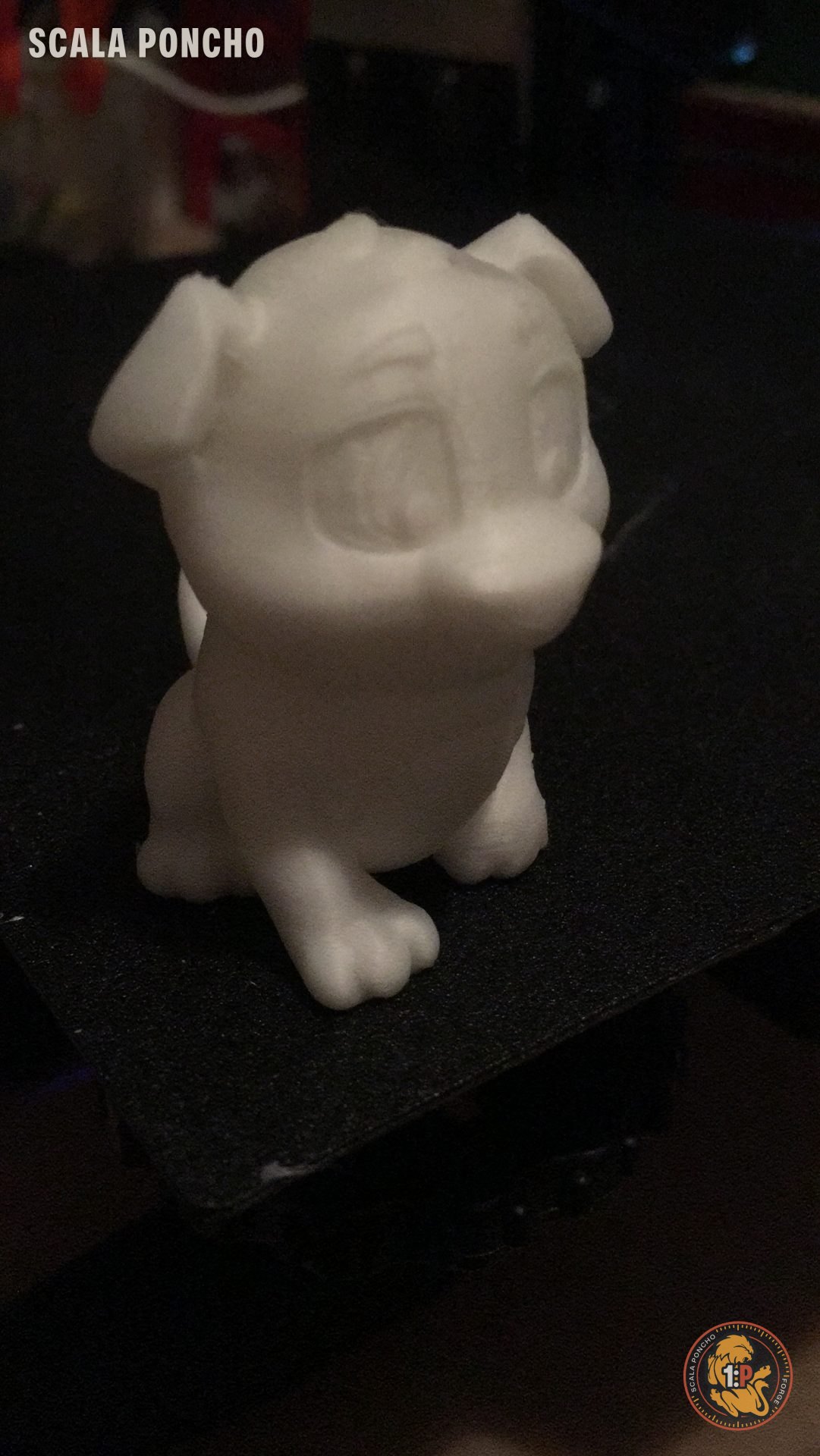
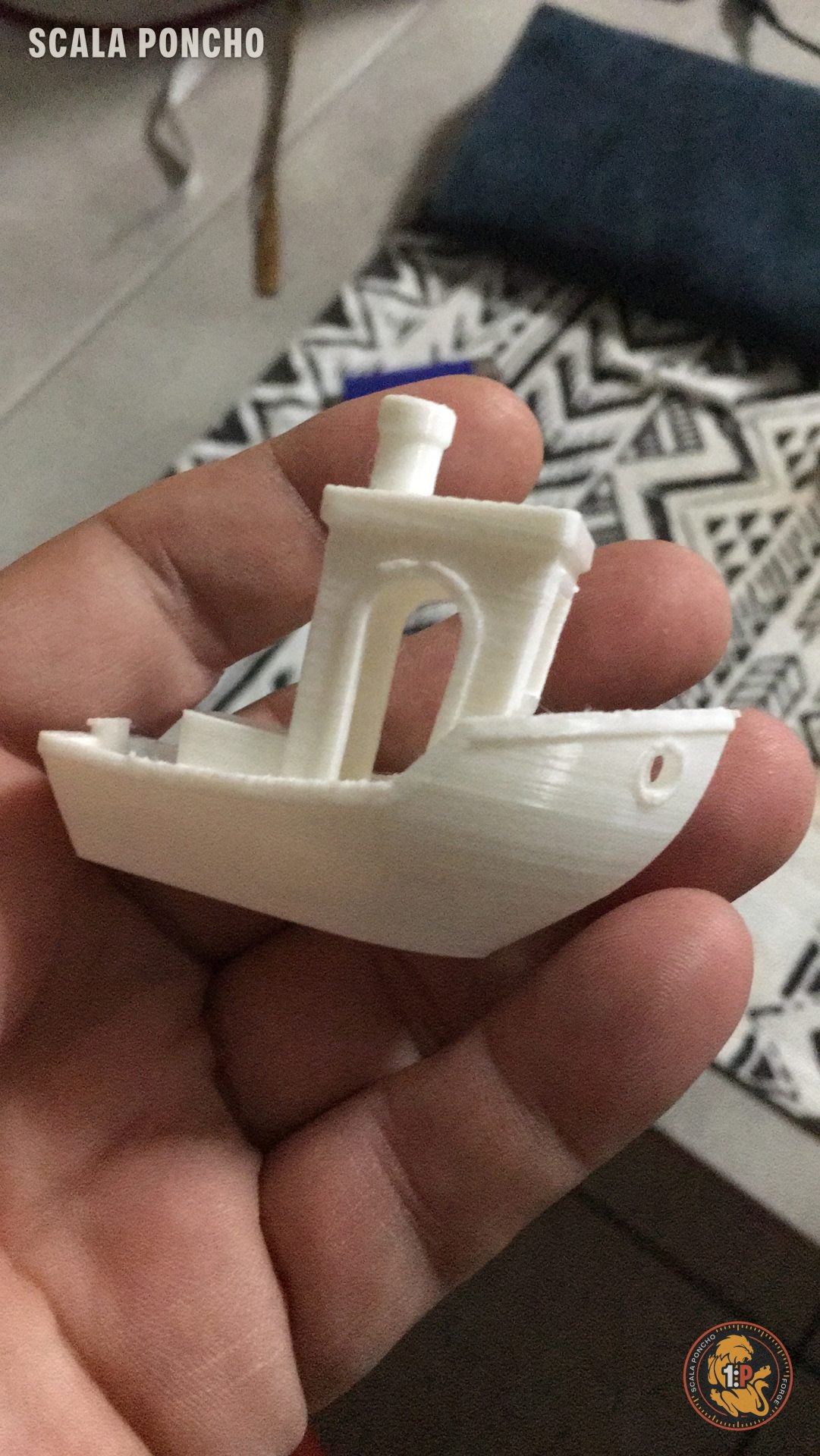
The first print is a little dog, the test file on the memory card. Then a mechanical part, and then the Benchy: the little boat that tells you whether the printer is calibrated. Bridges, overhangs, holes, tiny lettering: if the Benchy comes out well, the printer is ready.
Mods and calibration
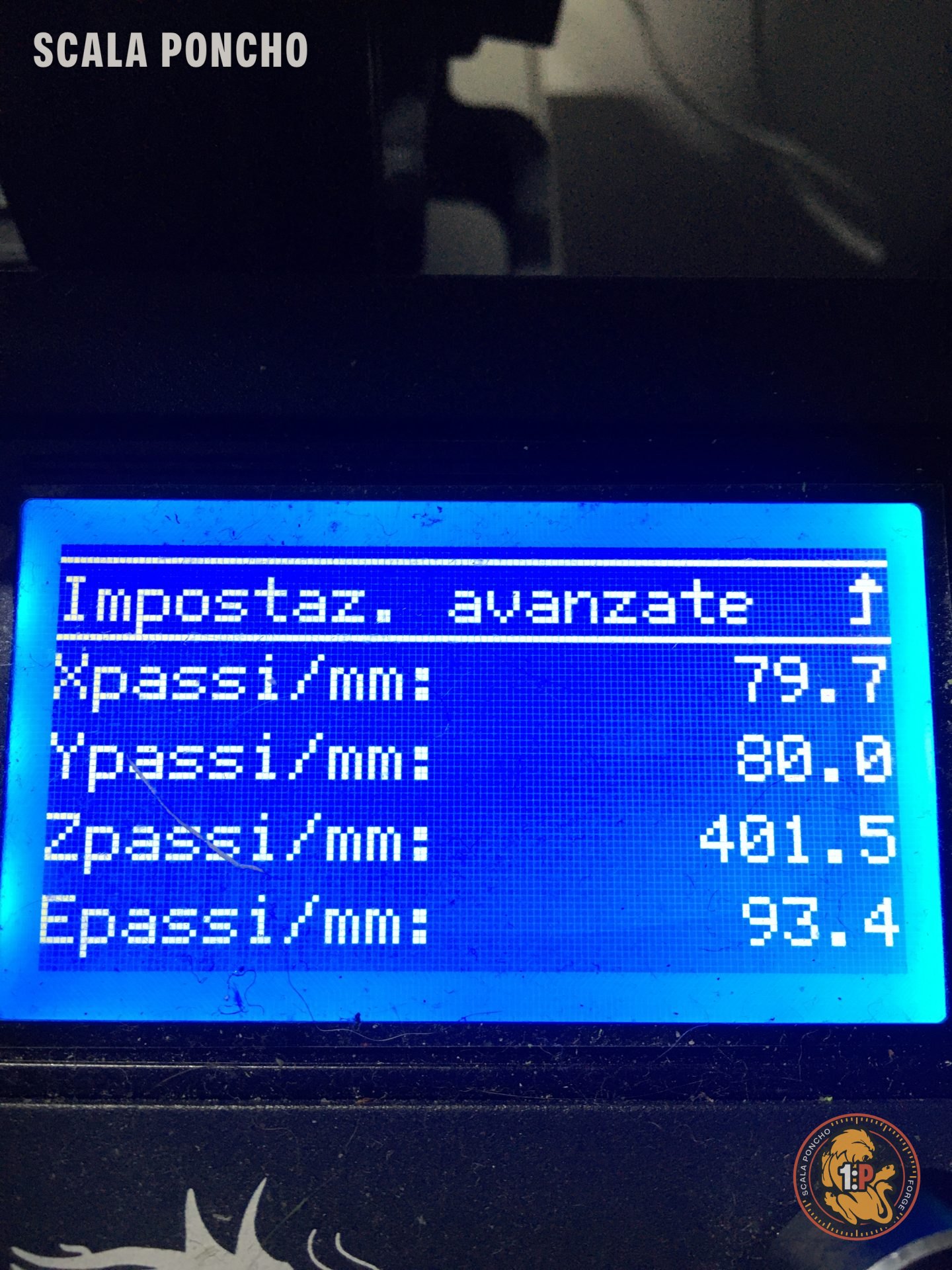
A stock Ender 3 works. A modded Ender 3 works better, or so its owners tell themselves. In 2020 mine filled up with parts it printed for itself: brackets, filament guides, mounts. And then the calibration: steps per millimetre for every motor, extruder included, measured and corrected until a millimetre really was a millimetre.
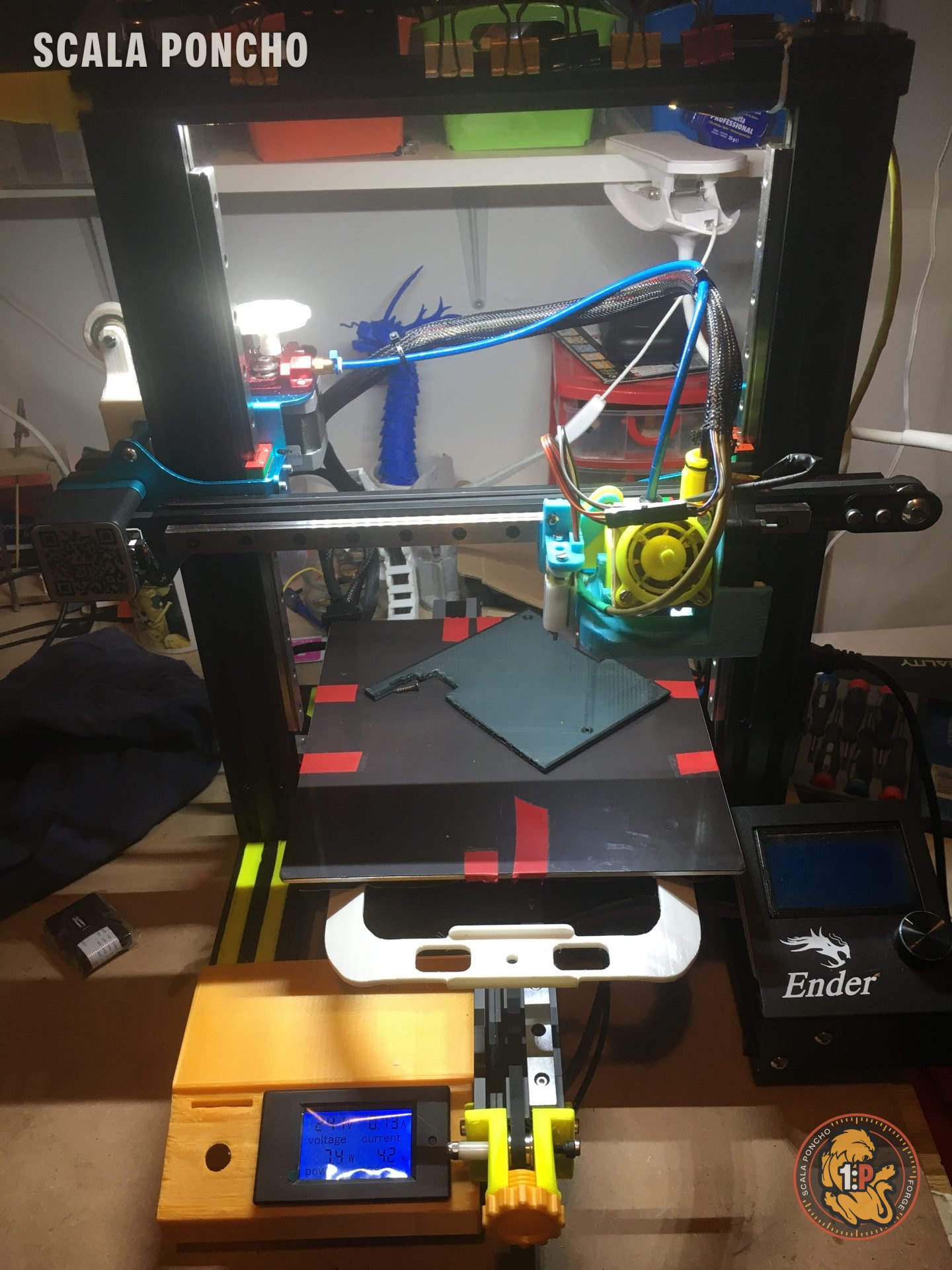
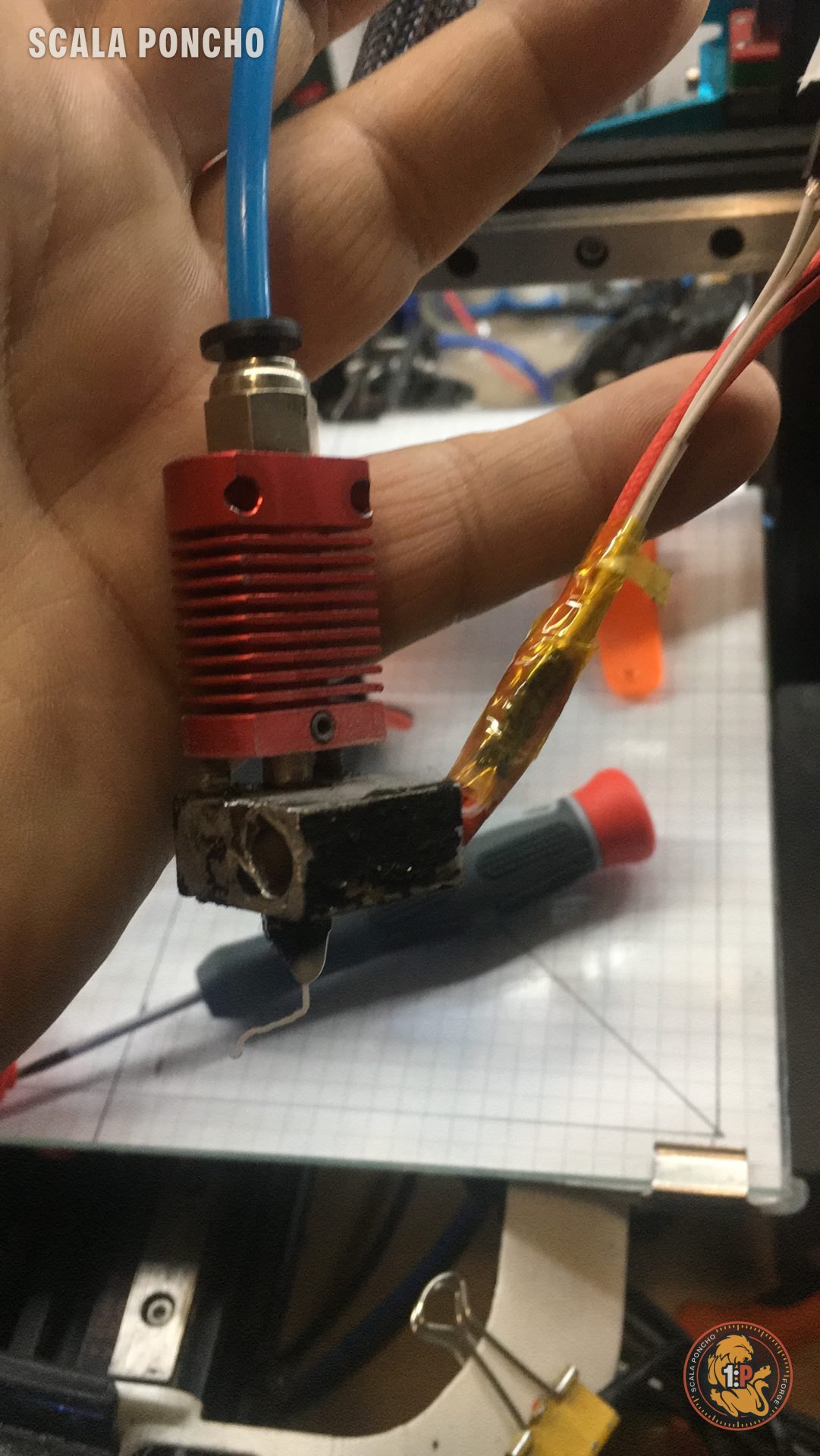
In 2022 came the new hotend, the part that heats and melts the filament. After two years of printing, it was time.
What it printed
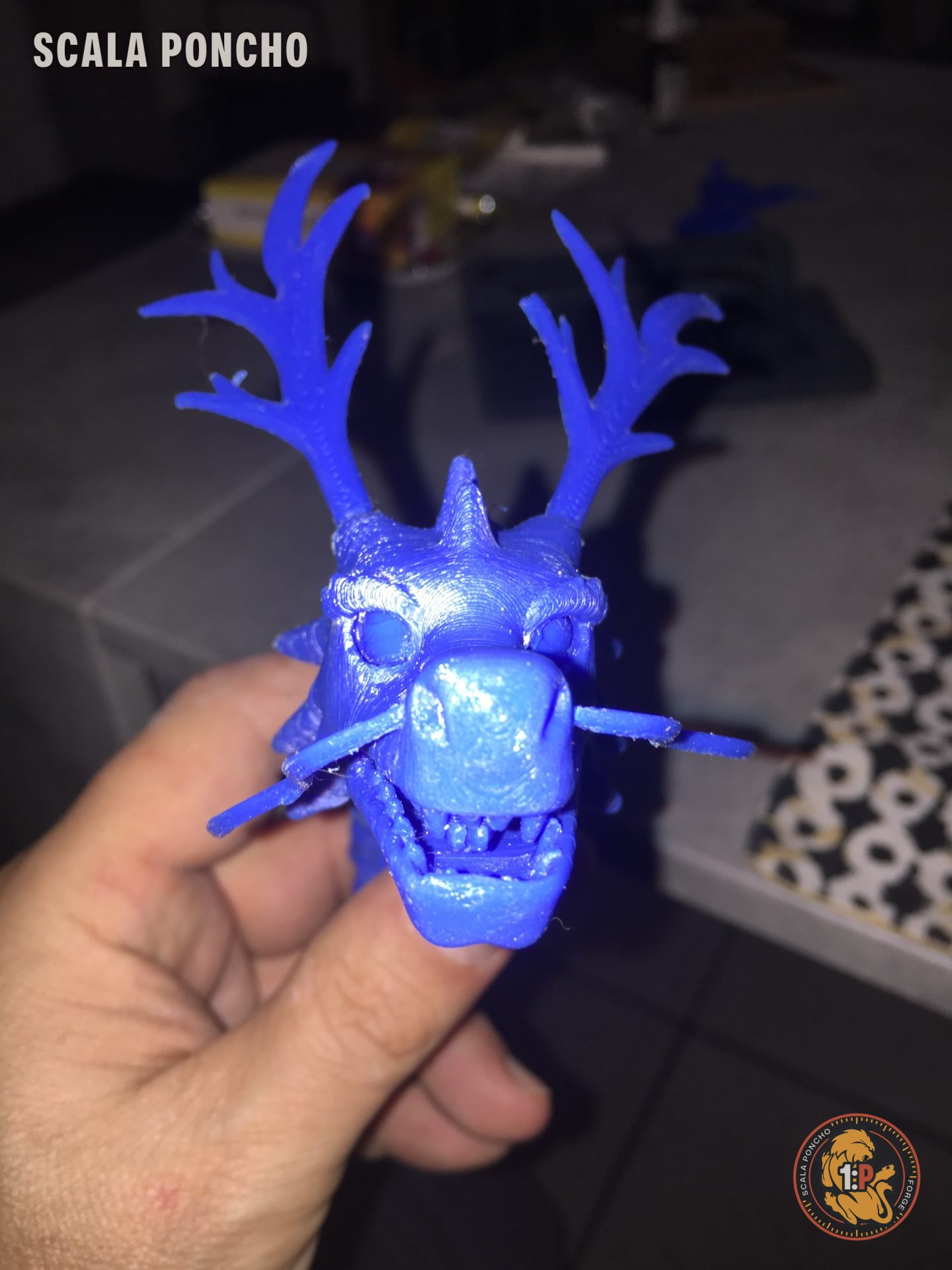
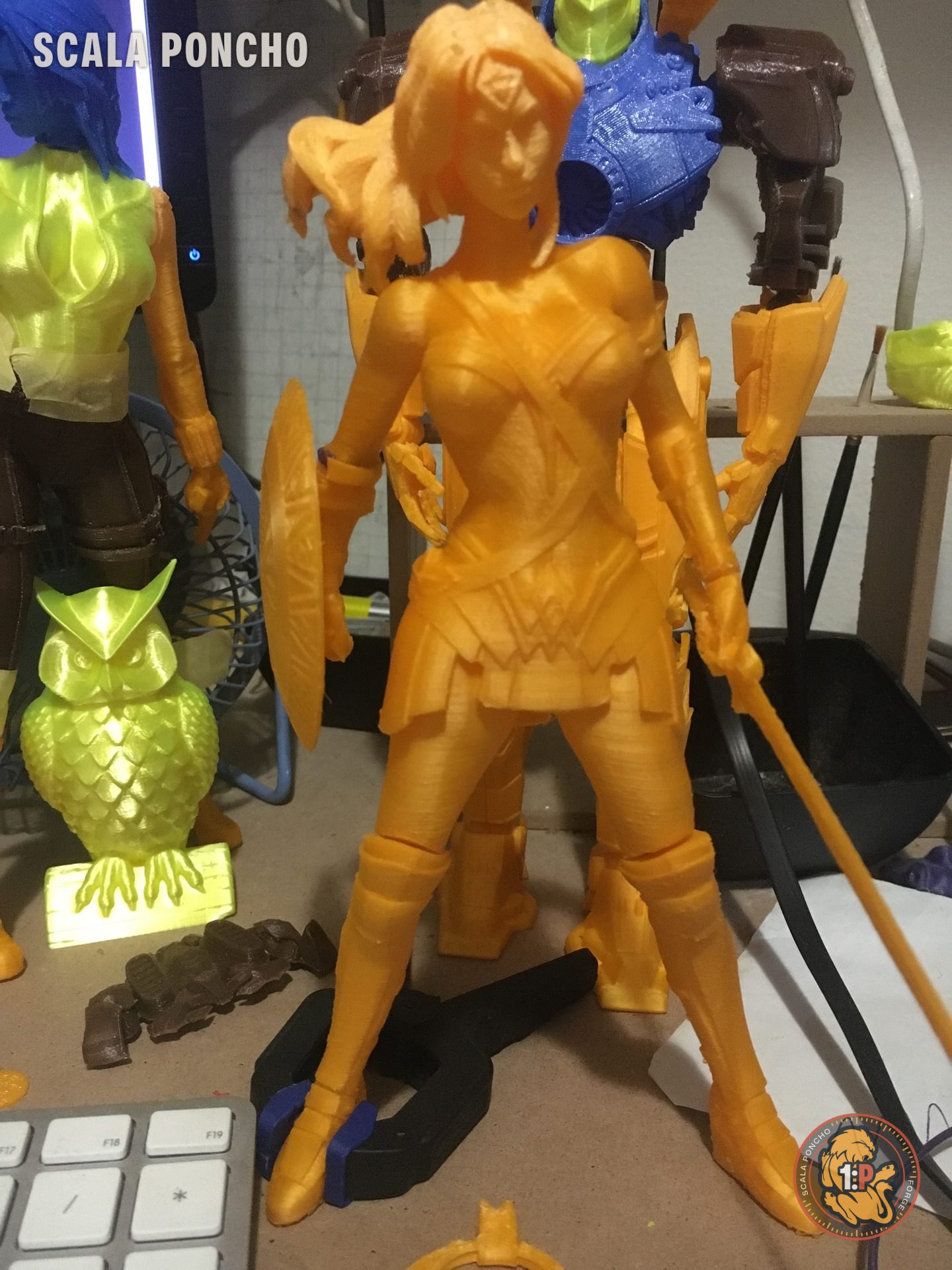
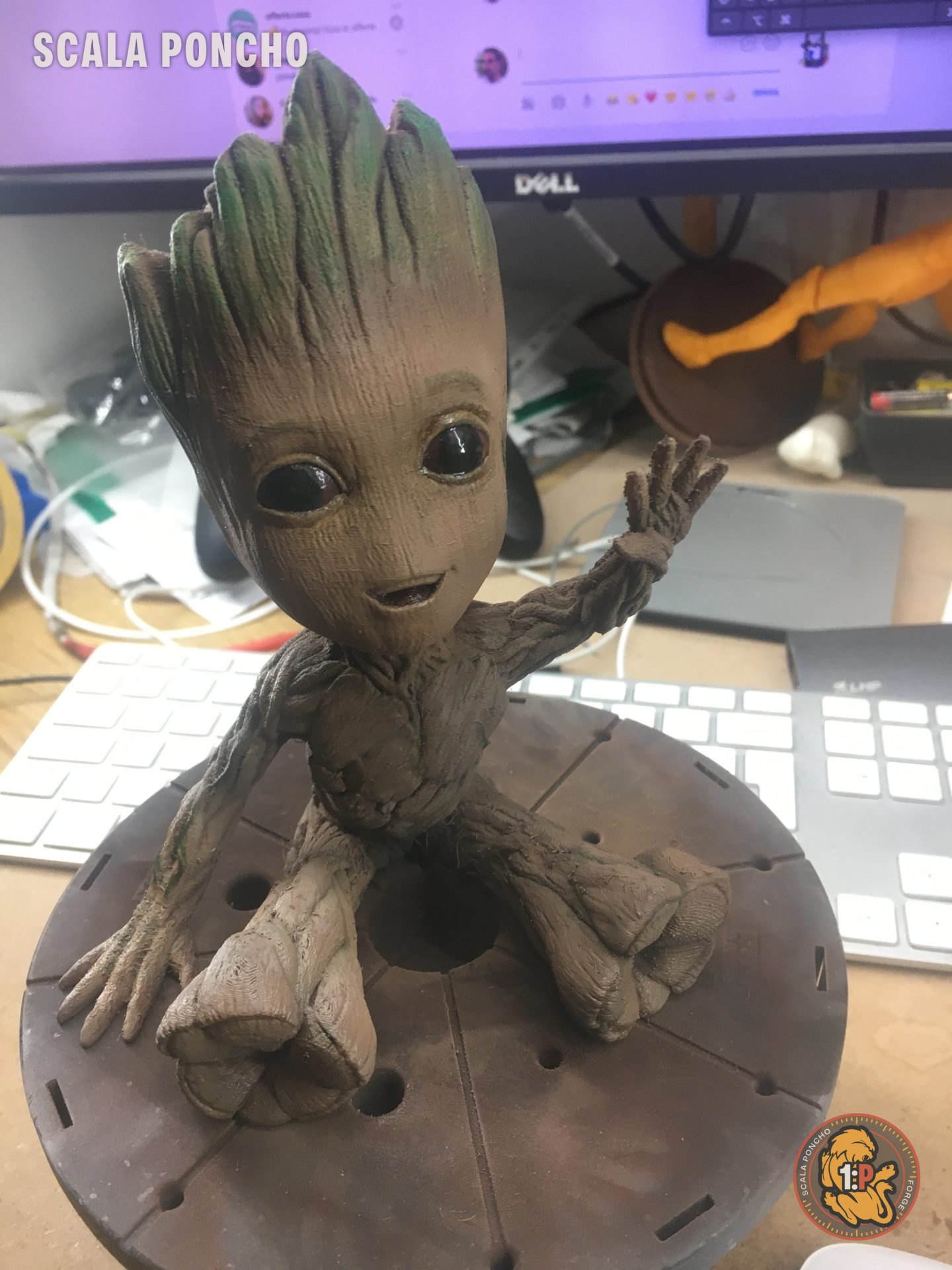
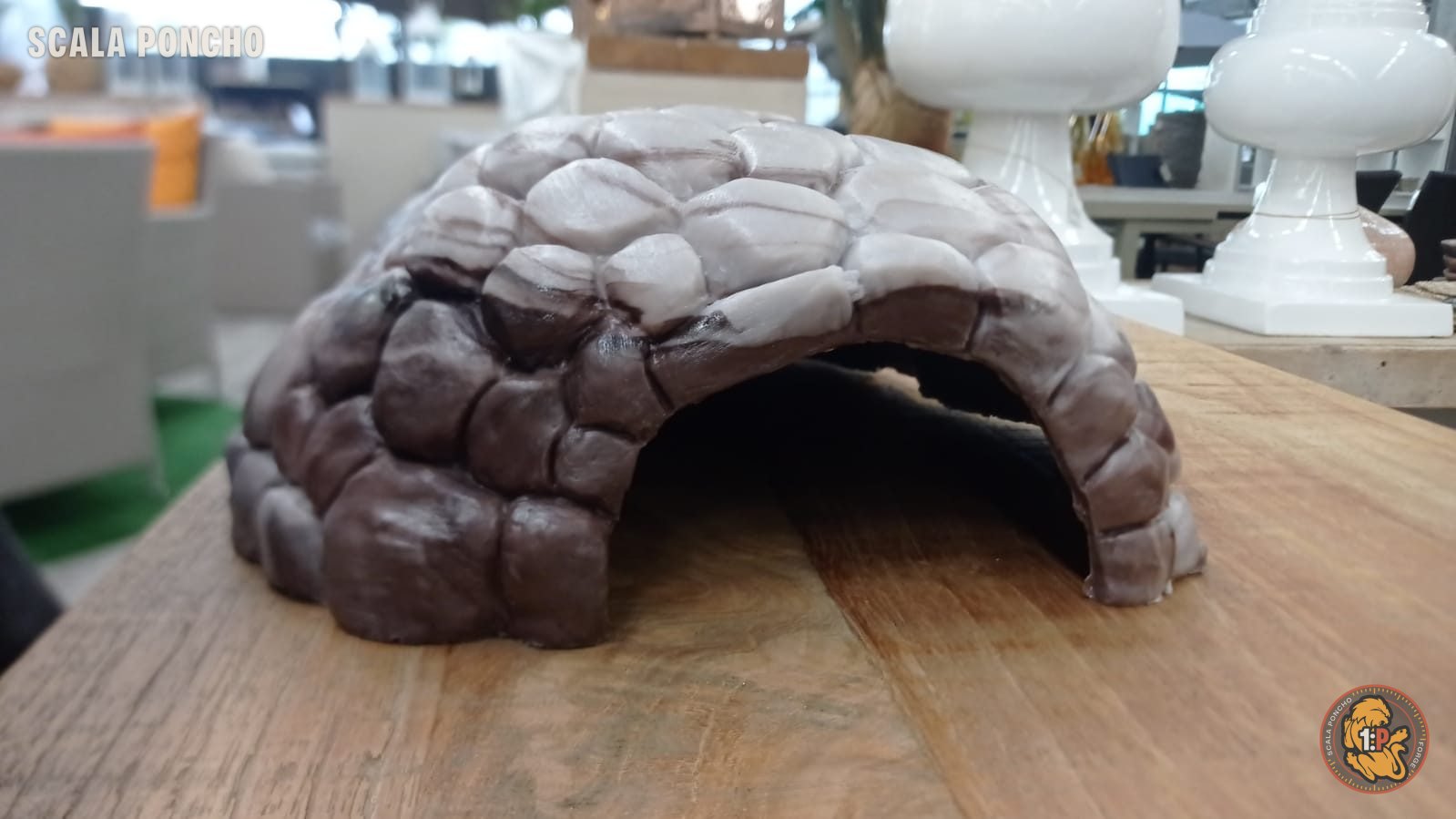
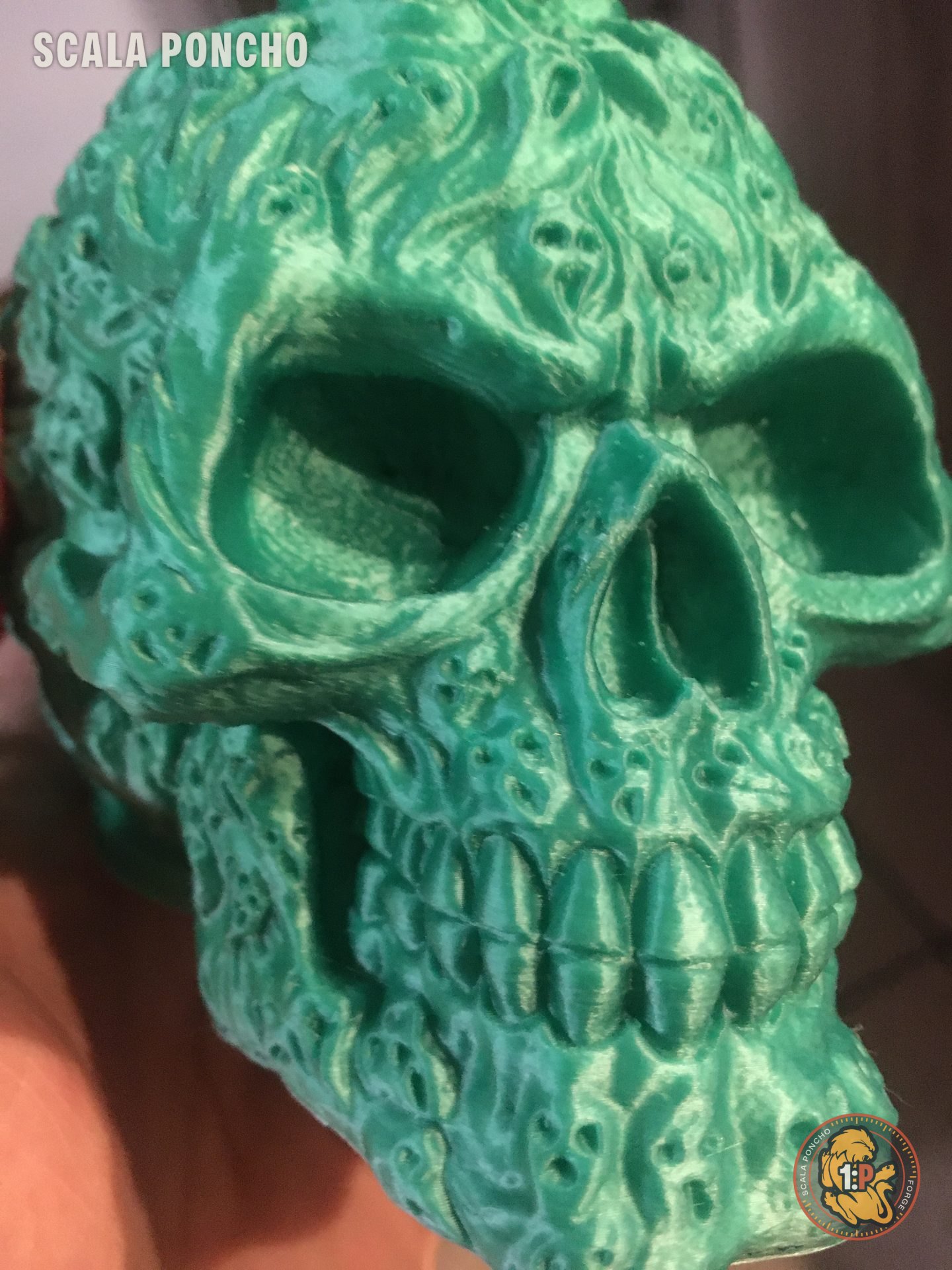
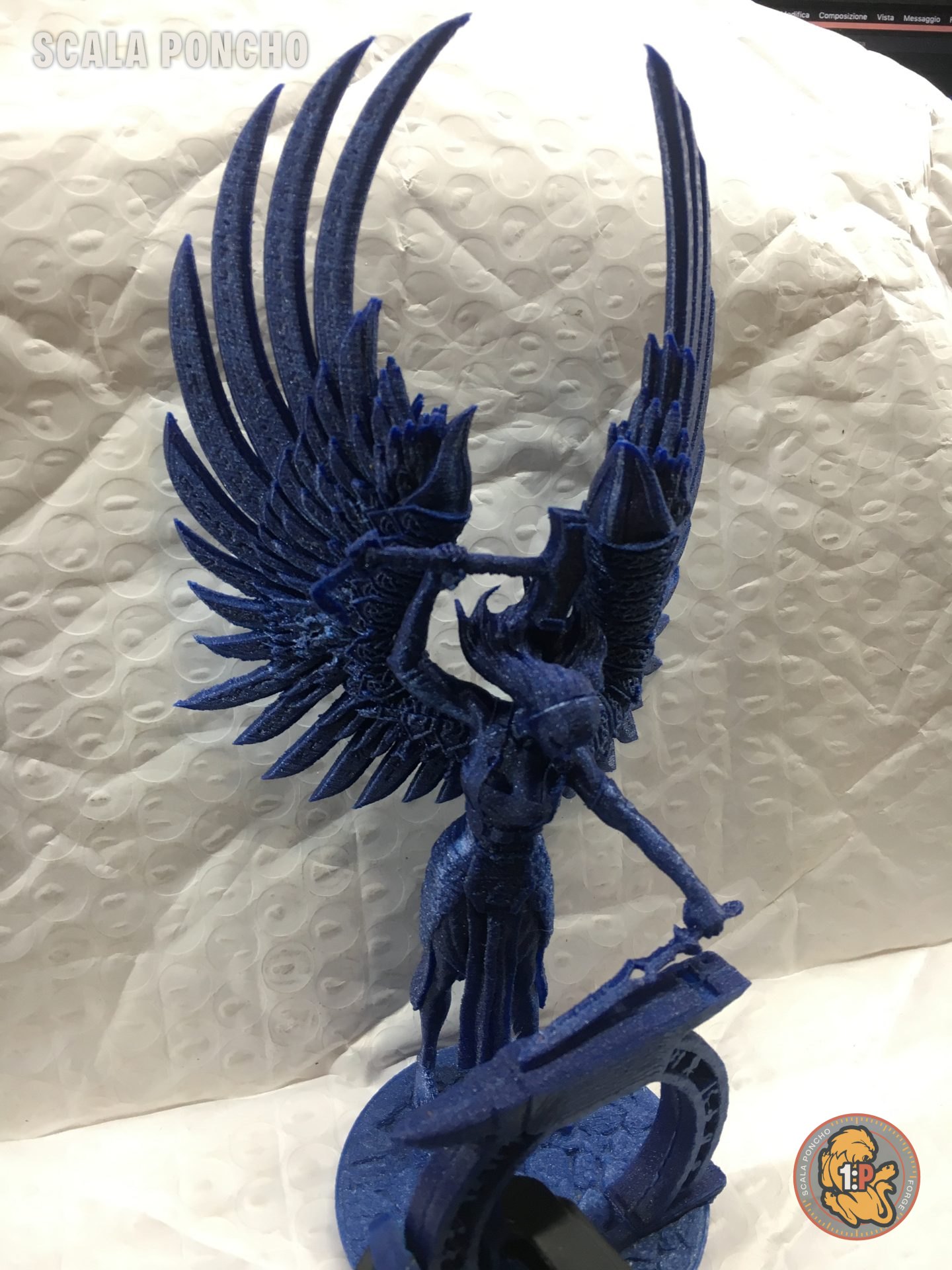
In five years the Ender printed all sorts: parts for WALL-E and for the RC car, the first light bridge, and a pile of figures, monsters and decorations. Some stayed in filament colour, others went through the painting bench.
Retirement
After five years the Ender 3 Pro made way for newer machines, first resin and then the Bambu Lab P2S. But it taught me everything: levelling a bed, reading a first layer, understanding why a print comes loose at three in the morning. And, above all, that the perfect printer doesn’t exist: there’s only the one you know how to fix.